Present Perfect in Real Contexts
The present perfect connects the past to the present. Use it to talk about experiences, recent events, unfinished situations, and durations that started in the past and continue now. These examples show how English speakers use it naturally in everyday conversations, work, and storytelling.

Examples — page 1 of 5

I have lived in Berlin for three years.
Duration · States that started in the past
①moved to Berlin
→
②now, still living there

She has never been to Japan before.
Life experience · Negative
①entire life up to now
→
②visiting Japan
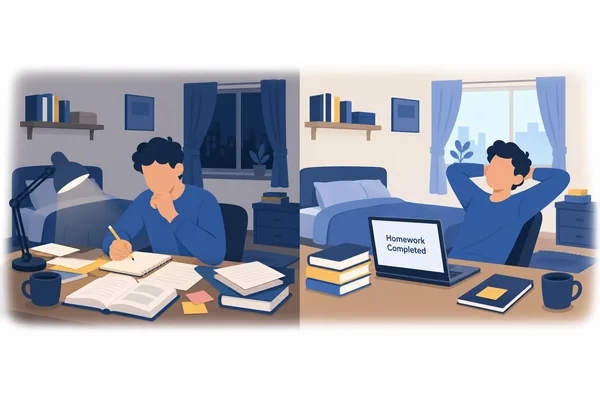
Have you finished your homework yet?
Recent completion · Question
①you started your homework
→
②now, at this moment

The company has increased its profits by 25% this year.
Recent result · Business context
①company increased profits by 25%
→
②now, this year

We have been married for ten years now.
Duration · Ongoing situation
①got married ten years ago
→
②still married now

He hasn't replied to my email since Monday.
Recent action · Negative with time marker
①He received my email on Monday
→
②Now, he still hasn't replied

I have always wanted to learn guitar.
Long-standing desire · Personal statement
①wanting to learn guitar (starting in the past)
→
②now (still wanting)
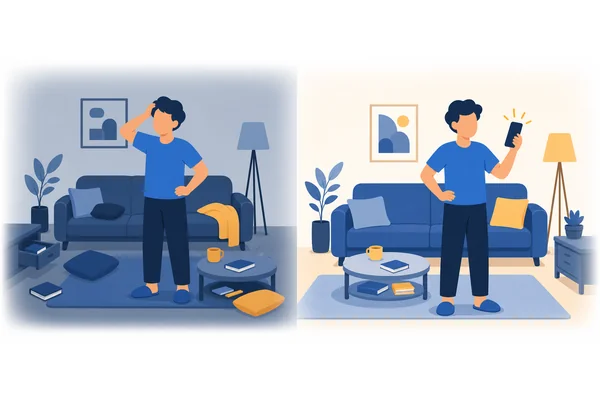
Has anyone seen my phone? I've lost it somewhere.
Recent problem · Everyday conversation
①I lost my phone somewhere
→
②now - I'm looking for it

They have worked on this project for two months.
Duration · Work context
①they started working on the project
→
②two months have passed until now

The coffee has gone cold while we were talking.
Recent change · Natural narrative
①coffee was hot
→
②coffee is cold now
Signal words
for
since
yet
already
never
ever
just
recently
lately
this year
this month
today
always
so far
KEY TAKEAWAYS
What to Remember
- Use have/has + past participle to form the present perfect tense.
- The present perfect connects past actions or states to the present moment.
- Use it for experiences, recent events, and situations that started in the past and continue now.
- Don't use the present perfect with specific past time expressions like "yesterday" or "last week."
- The present perfect often appears with "just," "already," "yet," and "for" in everyday English conversations.